





Energy in the built environment

[edit] Introduction
In very general terms, energy is a capacity to do work that can take a number of different forms, such as; thermal (heat), radiant (light), motion (kinetic), stored (potential), secondary (e.g. electricity), chemical, mechanical, and so on.
In the built environment, the term 'energy' is typically used in the context of generating heat, powering equipment, creating products and materials, transportation, and so on.
Sources of energy tend to be categorised as either renewable or non-renewable.
The main types of renewable energy sources include:
- Solar thermal energy: The conversion of solar radiation to thermal energy in order to heat a working fluid.
- Geothermal energy: The natural heat energy stored in the earth.
- Wind energy: Energy generated by the wind.
- Biomass: A generic term referring to organic materials that can be used as fuels.
- Hydropower: The generation of electricity from flowing water power.
For more information, see Renewable energy.
The main types of non-renewable energy include:
- Petroleum products: Formed from dead plants and animals. E.g. petrol, diesel, kerosene.
- Hydrocarbon gas liquids: Such as liquefied petroleum gas (LPG).
- Natural gas: Distributed through pipes from point of origin to point of use, e.g. mains gas.
- Coal: A combustible material mined from the ground.
- Nuclear energy: Released during nuclear fission or fusion in a power plant.
For more information, see Types of fuel.
Energy can be stored to try and off-set the risks of more unpredictable and intermittent power generation or availability. For more information, see Energy storage.
According to the Technology Strategy Board, in the UK, the built environment accounts for 45% of total carbon emissions (27% from domestic buildings and 18% from non-domestic), and 73% of domestic emissions arise from space heating and the provision of hot water. The EU Directive on the energy performance of buildings was adopted in 2002. It was intended to improve the energy efficiency of buildings, reduce carbon emissions and reduce the impact of climate change.
Energy performance certificates (EPCs), set out the energy efficiency rating of buildings. They are required when buildings are built, sold or rented if they have a roof and walls and use energy to condition an indoor climate. Buildings are rated from A to G on EPCs, with A representing a very efficient building and G a very inefficient building.
For more information, see Energy performance certificate.
The term 'embodied energy' relates to the energy consumed to create a building or a component of it, the energy consumed in refurbishing and maintaining it during its life, and the energy consumed in its ultimate disposal.
For more information see: Embodied energy.
[edit] Articles about energy
Designing Buildings has a number of articles relating to energy, including:
- Battery storage.
- Biogas.
- Biomass.
- CHP.
- Community energy network.
- CRC Energy Efficiency Scheme.
- Domestic micro-generation.
- Dynamic response to energy.
- Electricity supply.
- Embodied energy.
- Emission rates.
- Energy Act.
- Energy consumption.
- Energy content.
- Energy harvesting.
- Energy hierarchy.
- Energy certificates.
- Energy related products regulations.
- Energy Savings Opportunity Scheme.
- Energy security.
- Energy storage.
- Energy storage - the missing piece?
- Energy targets.
- Fuel cell.
- Ground energy options.
- Hydroelectricity.
- Potential energy.
- Plasma energy.
- Process energy.
- Renewable energy.
- Solar photovoltaics
- Solar thermal systems.
- Target emission rate TER.
- The Future of Electricity in Domestic Buildings
- Tidal lagoon power.
- Types of fuel.
- Useful energy.
- Utilities.
- Watt.
- Wind Energy in the United Kingdom.
[edit] Related articles on Designing Buildings
- BSRIA publishes Illustrated Guide to Renewable Technologies.
- Climate change science.
- Earth overshoot day.
- Electricity.
- Entropy.
- Environmental legislation.
- Fossil fuel.
- Green building.
- Intergovernmental Panel on Climate Change.
- Kinetic energy.
- Plasma energy.
- Plug load control.
- Power.
- Sustainability.
- The Carbon Plan: Delivering our low carbon future.
- Will we burn fossil fuels to power wind turbines in the future?
Featured articles
Check out some of the best features and news from Designing Buildings as well as key stories from around the web.

Water sector faces a growing crisis that could slow the delivery of vital infrastructure.
Undervaluing our industrial past

Heritage value changes as taste for building styles changes.
Changing expectations around competence and compliance

New information sheet from CIAT.
Grenfell investigation files passed to CPS

Angela Rayner apologises on behalf of the British state.

Electrical contractors need to understand the practical implications.

The real barrier to getting more value from digital technology.

Your guide to The Construction Reset at UKCW Birmingham.

Accommodating the Victorian and Edwardian working woman. Book review.
Rethinking passive fire protection in design
PFP demands the same level of design rigour as structure or services.

38% of Gen Zs feel safe when a fire door is wedged open.
Stunning images from around the world
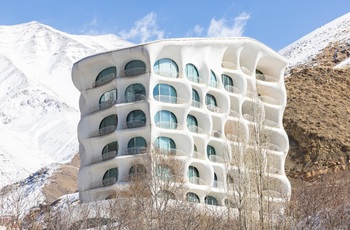
Shortlist for CIOB’s Art of Building photography competition.
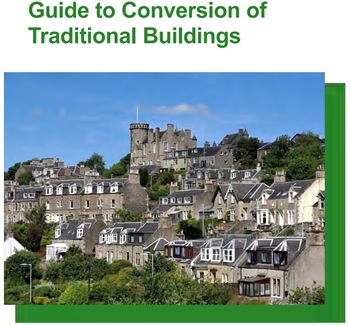
Guidance for conversion of traditional pre-1919 stone buildings.